Water Festival
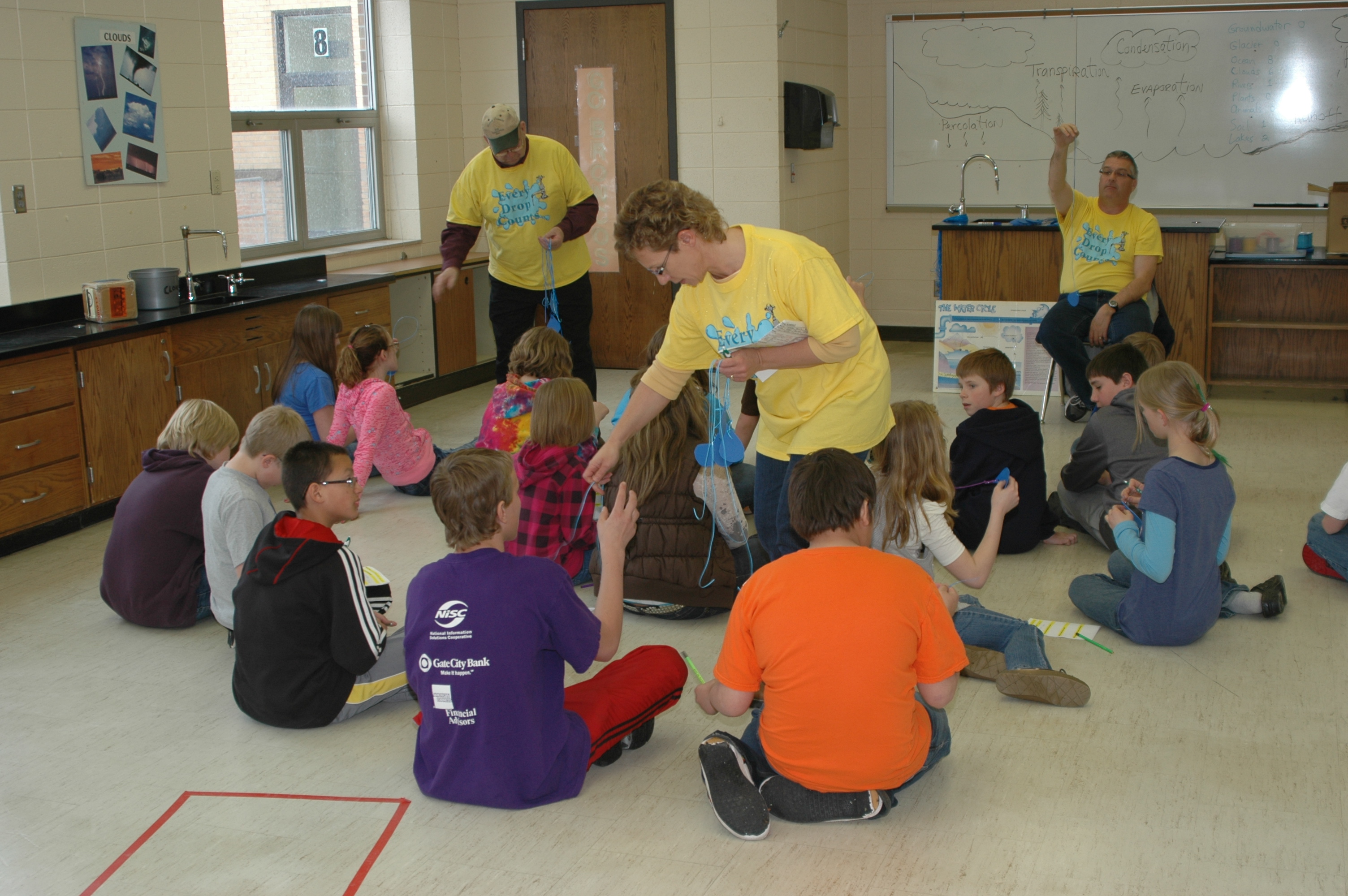
The Morton County Soil Conservation District, along with the State Water Commission, sponsor an annual Water Festival for 5th grade students throughout the county. The festival consists of many different hands-on sessions. Each class can attend four 25-minute sessions during the festival. Presenters are professionals from various government agencies and educational institutions.
Living Ag Classroom
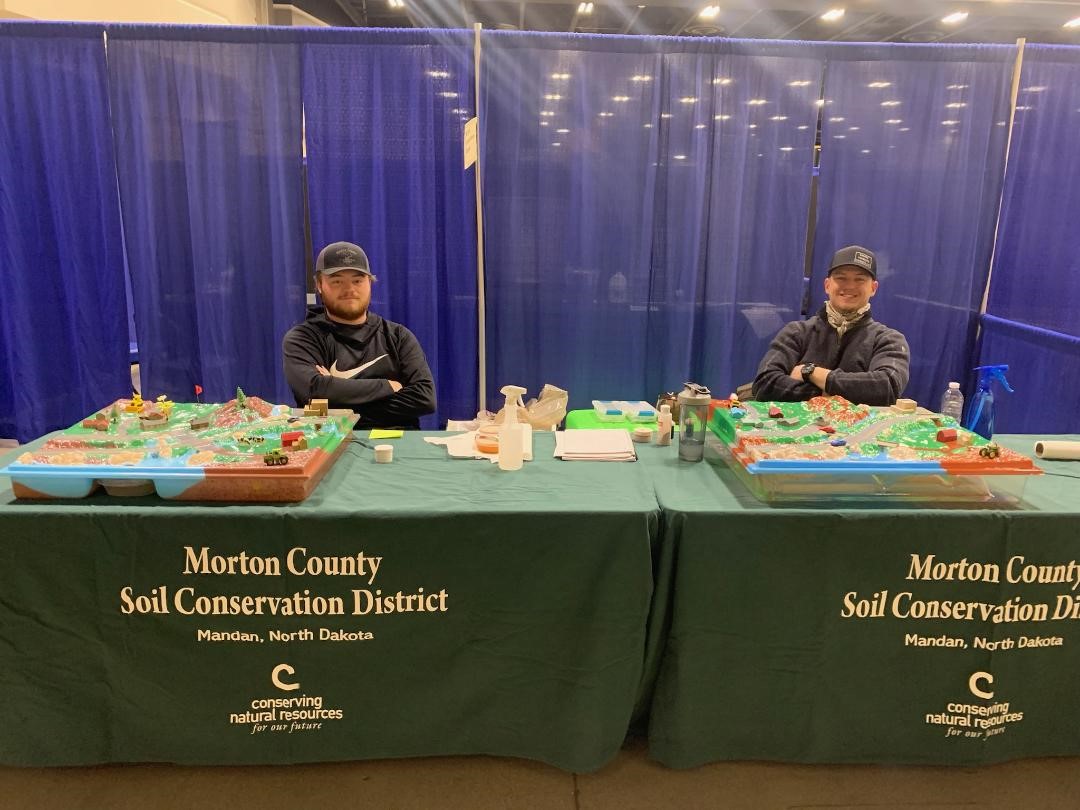
The Morton County SCD also participates in the Living Ag Classroom held during the Agri-International sponsored by KFYR. The District usually partners with the ND Department of Health to present a 6-minute educational session on water quality.
The Soil Health Mentorship Program
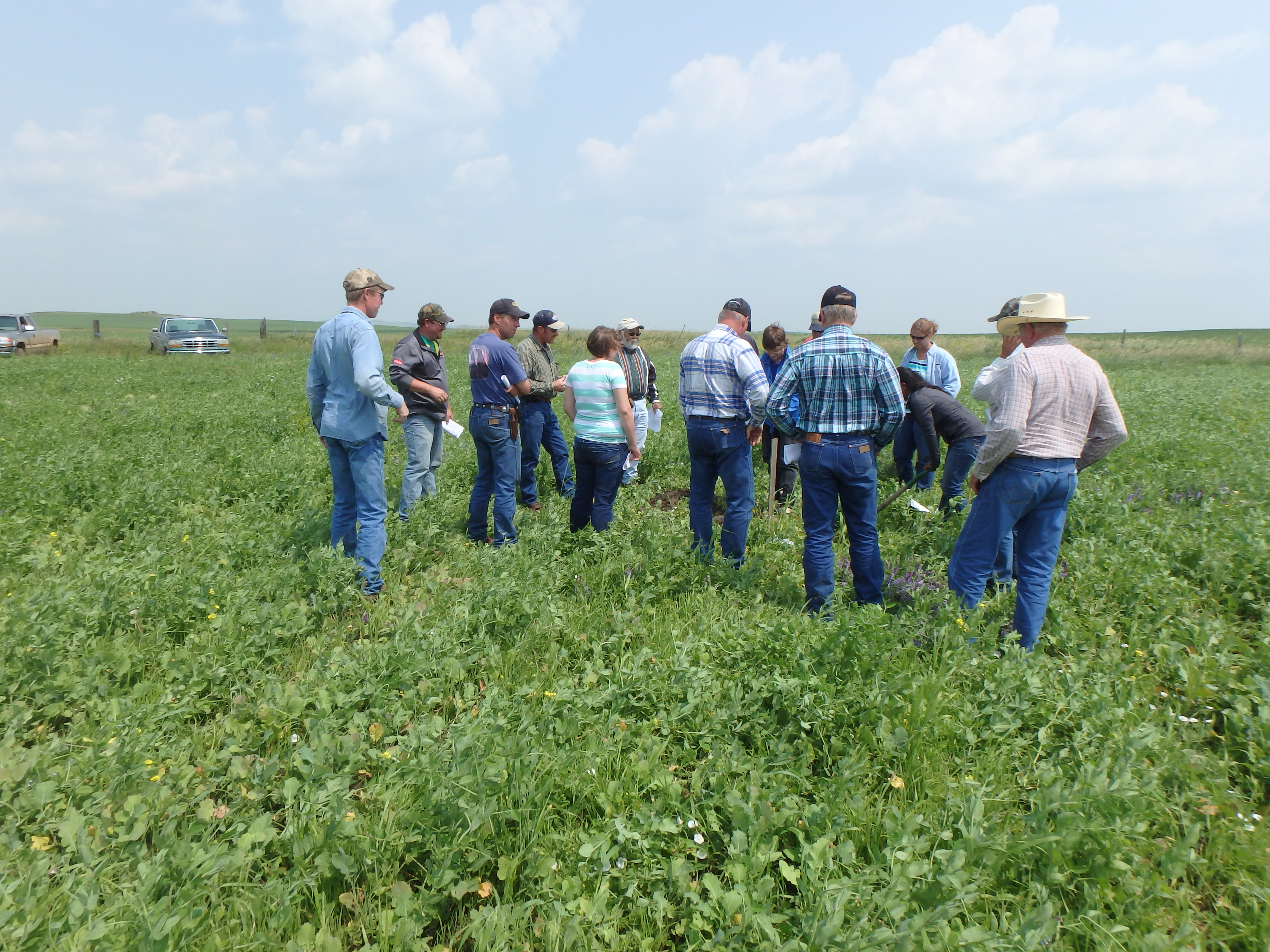
The Soil Health Mentor Project consists of public outreach and education on proper nutrient management on a local scale. There are 10 participants throughout Morton County that have dedicated one field in their operation to increase soil health. Detailed information about the field history and current farming practices will serve as case studies for other producers in the area. The projects main goal is to increase soil health while decreasing inputs and maximizing profits. We encourage producers to plant diverse cover crop mixes and utilize crop rotation. Soil health will be monitored with the Haney Soil Test. Apart from case studies, we will conduct field tours at individual fields that will be open to the public.
Information on Cover Crops
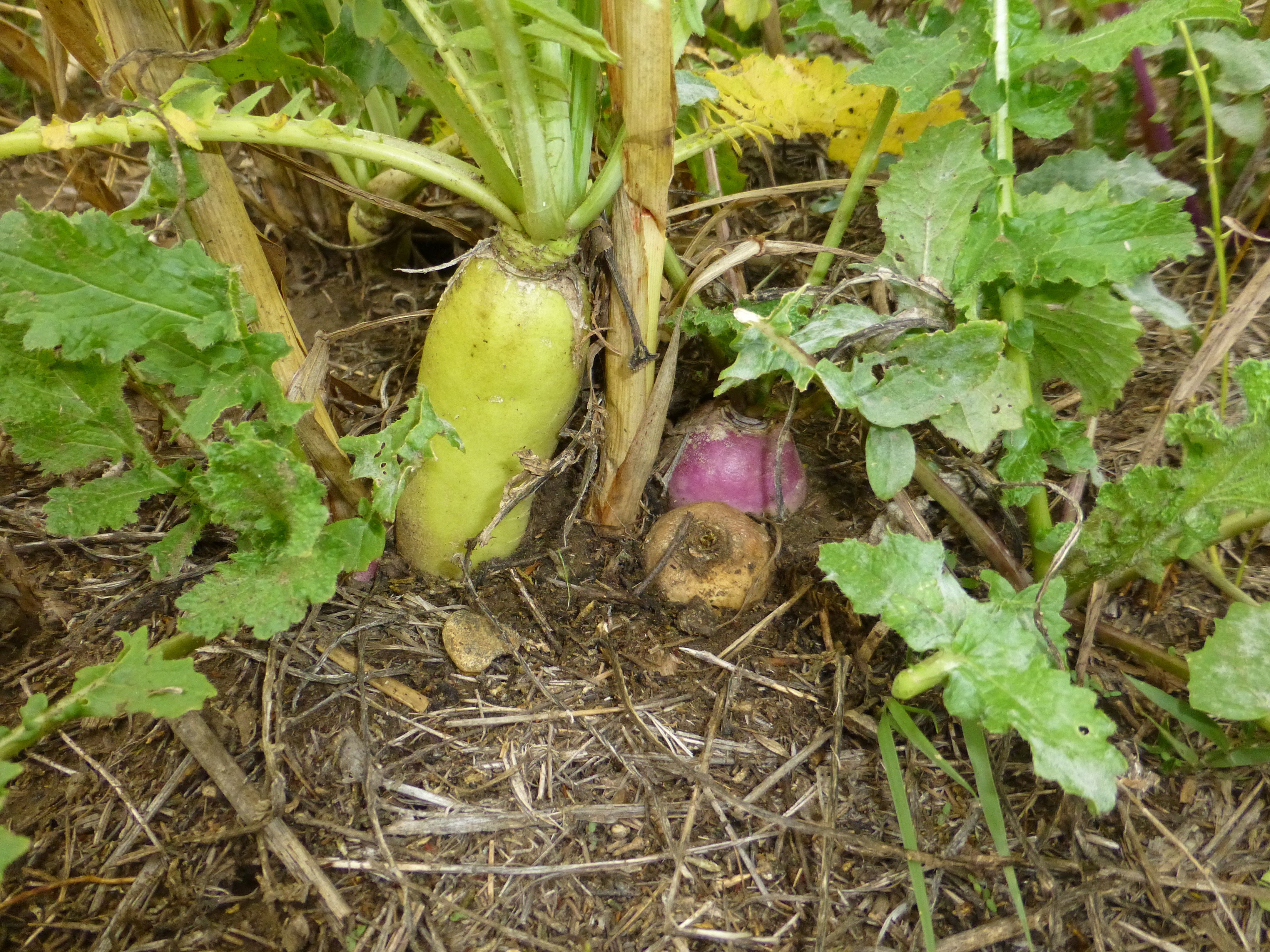
Example of a Cover Crop Mix
This cover crop mix was designed to be no-tilled into an oat/pea field after haying. No termination of the oat/pea stubble would be necessary since regrowth would be beneficial and add diversity to the mix. The mix has a high percentage of legumes to fix nitrogen and has plants that will store nitrogen to reduce leaching such as radishes and turnips. Since the cover crop mix will be planted in mid to late July, warm season species of plants were chosen to maximize production in the summer.
Wildlife Programs
For the conservation minded individual, there are a number of options available for creating and enhancing wildlife habitat. Federal Farm Bill programs, such as the Conservation Reserve Program (CRP,) exist to help protect soils from erosion by reducing surface runoff and sedimentation. This is done by planting agricultural fields back into beneficial vegetative covers which, in turn, can create very good wildlife habitat.
For more information on federal Farm Bill programs landowners can contact their local Natural Resources Conservation Service Center or a Pheasants Forever Farm Bill Biologist.
Importance of Grass and Forbs
By: Justin Edwards, Pheasants Forever Farm Bill Biologist
Two of the most important factors for ground nesting bird survival are nesting and brood rearing cover. Without these two types of habitat, females will have a hard time finding the proper nesting conditions. Also, when chicks are hatched they will not be able to find enough food to survive. When there is good nesting and brood rearing cover, the probability of success for ground nesting birds, including pheasants, will be greatly increased.
Nesting Cover
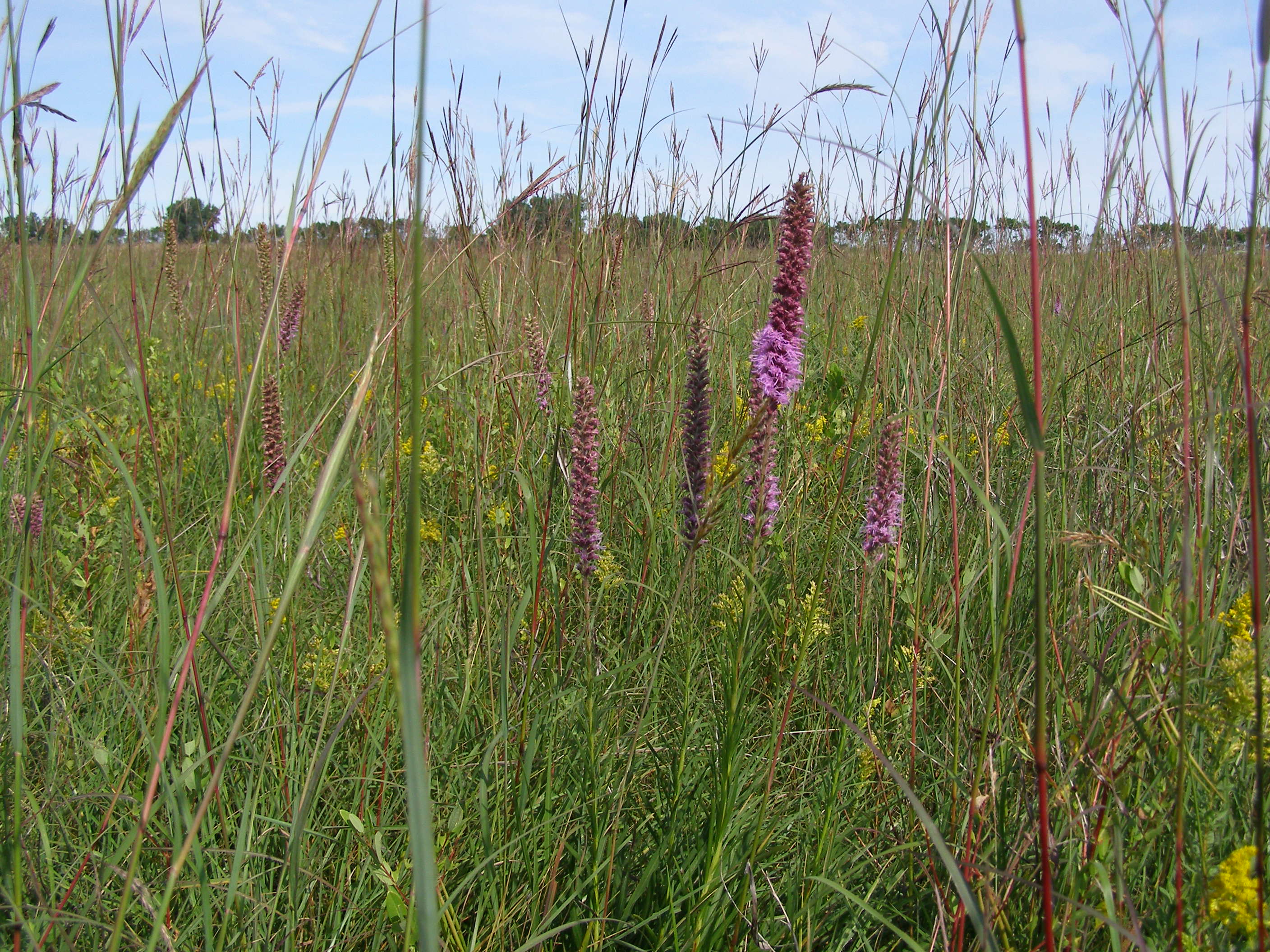
Nesting cover for pheasants generally are areas of predominately grass with a few forbs mixed in. The taller grasses provide overhead cover for nesting hens. Each year the grasses will die off creating a duff layer which will provide good nesting material as well as thermal cover for the nesting hen. The denser grass stands will also provide better protection from both mammalian and avian predators.
Brood Rearing Cover
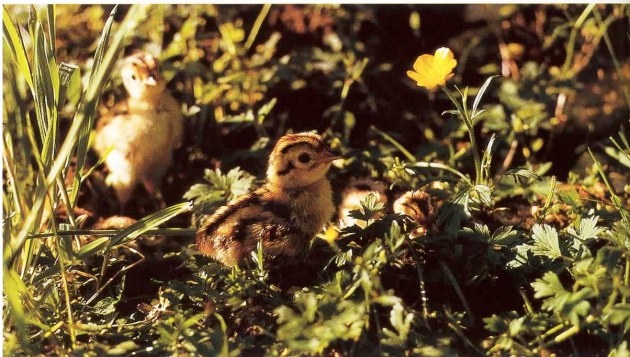
One ofthe most important factors for many ground nesting bird species’ survival is the presence of insects. For example, pheasant chicks feed exclusively on insects for the first 4 to 6 weeks of life. To achieve the abundance of insects needed for a pheasant brood to survive, quality brood rearing habitat is essential. Brood rearing cover consists of a variety of broad leafed plants with some grass mixed in. Having a variety of plants available will attract and increase the number of different species of insects thus providing high quality forage for chicks.
Quality nesting cover can make good brood rearing cover as well. The problem however is when the grass in the nesting cover becomes too thick over time. Ideally there would be a transition zone between nesting cover and brood rearing cover. The nesting cover would be much denser with more grasses and the brood rearing area would have many more broad leafed forbs and less grass. Forbs provide overhead cover from predators and leave the ground floor open making it easy for chicks to maneuver around.
To learn more about providing quality grassland habitat, see the links below: